

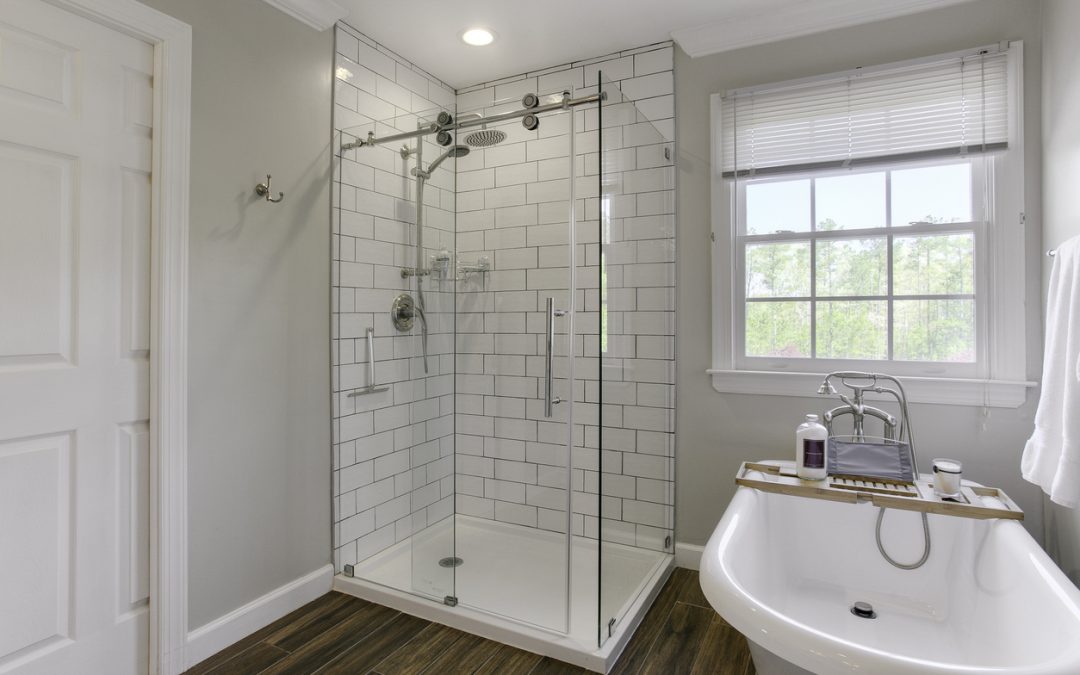
When you install a new glass shower enclosure, the promise of a seamless, modern look is compelling. However, many homeowners in the GTA are surprised when water spots appear weeks after installation. This often leads to questions about the shower glass protective coating that was applied during fabrication. Understanding what this coating actually does—and what it does not do—is essential for setting realistic expectations for your bathroom.
How Protective Coatings Actually Work
A standard hydrophobic coating is a thin, chemical layer applied to the glass surface. Its primary function is to repel water and reduce the adhesion of soap scum. When water hits a coated surface, it beads up and rolls off more easily, taking some dirt with it. This makes daily wiping down significantly faster than cleaning uncoated glass.
However, it is crucial to distinguish between a coating and a permanent change to the glass itself. The coating is a sacrificial layer. It is not indestructible. Over time, exposure to harsh cleaning chemicals, abrasive sponges, and the sheer volume of water in a busy household will degrade the coating. In Ontario, where water hardness varies by municipality, mineral deposits can still accumulate if the glass is not wiped dry after use, regardless of the coating.
Realistic Expectations for Longevity
There is no single timeline for how long a coating lasts. It depends heavily on usage frequency and cleaning habits. For a typical residential shower, a professional-grade coating might remain effective for one to three years. For high-traffic commercial spaces, the lifespan can be shorter.
Signs that a coating is failing include:
- Water no longer beads up and instead sheets across the glass.
- Soap scum begins to stick and requires heavy scrubbing to remove.
- The glass appears hazy or dull despite regular cleaning.
When this happens, the coating needs to be reapplied. This is a maintenance task, not a failure of the glass itself. If you are considering a new installation, you can explore options for Glass Shower Doors that come with factory-applied coatings, which are often more uniform than on-site applications.
Care Instructions and Maintenance
To maximize the life of your shower glass protective coating, you must adjust your cleaning routine. Standard glass cleaners often contain ammonia or alcohol, which can strip the hydrophobic layer. Instead, use a pH-neutral cleaner or a simple solution of warm water and a small amount of dish soap.
Key maintenance tips include:
- Wipe after every use: Use a squeegee or a soft microfiber cloth to remove standing water. This is the single most effective way to prevent spots.
- Avoid abrasives: Never use steel wool, magic erasers, or stiff brushes on coated glass.
- Check your water source: If you have very hard water, consider installing a water softener. This reduces mineral buildup on all surfaces in your home.
For those building a new bathroom or renovating an existing one, understanding these maintenance requirements helps in choosing the right glass thickness and frame style. You can view our Custom Glass Showers to see how different designs impact cleaning accessibility.
Frequently Asked Questions
Can I apply a coating myself?
DIY kits exist, but they are often less durable than professional applications. A professional application ensures even coverage and proper curing, which is critical for longevity.
Does the coating prevent all water spots?
No. It reduces the likelihood and makes spots easier to remove. If water sits on the glass for hours, mineral deposits can still form. Regular wiping is still required.
How do I know if my glass is coated?
Run a drop of water on the surface. If it beads up and rolls off, the coating is likely active. If it spreads out and leaves a residue, the coating may be worn or absent.
Discuss Your Project Needs
Choosing the right glass and understanding its maintenance is a personal decision. Whether you are dealing with hard water issues or simply want a low-maintenance option, the right setup depends on your specific bathroom layout and usage patterns. We encourage you to request an Estimate to discuss your options with our team. We can help you understand which glass specifications suit your needs and provide guidance on long-term care.