

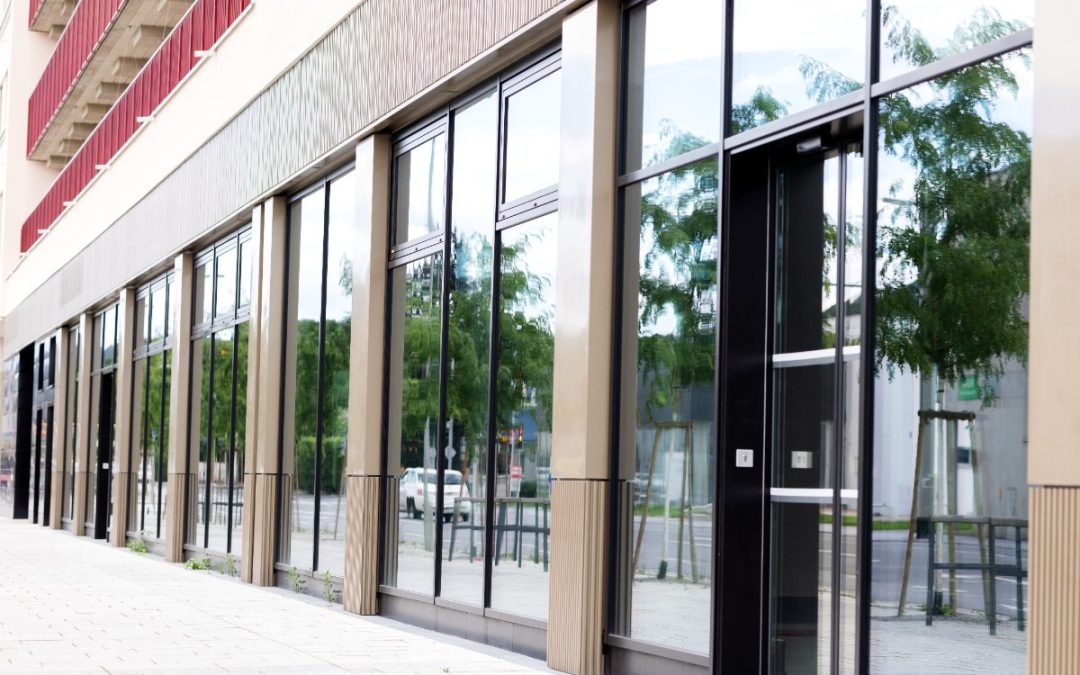
When evaluating the front of a commercial property, it is easy to focus solely on the glass. However, the visual appeal and structural integrity of a storefront depend on the complex interaction of multiple components. Understanding Glass Storefronts requires looking beyond the transparent surface to the aluminum framework that holds it all together. This guide breaks down the essential parts of these systems and explains why they must be viewed as a cohesive unit rather than a collection of separate items.
The Structural Backbone: Frames and Mullions
The aluminum frame is the skeleton of the storefront. It consists of vertical members called mullions and horizontal members known as transoms. These profiles are not just decorative; they provide the necessary rigidity to support the weight of the glass and resist wind loads. In the Greater Toronto Area, where weather conditions can shift rapidly, the quality of the aluminum extrusion and the precision of the corner joints are critical. A well-engineered frame ensures that the glass remains secure without excessive stress on the panes.
It is important to note that not all aluminum profiles are created equal. The depth of the profile and the thickness of the metal affect the system’s ability to handle large glass panels. For projects with specific architectural visions, custom fabrication may be required to achieve the desired slim sightlines without compromising structural safety.
Glass, Seals, and Thermal Performance
Glass is the primary interface between the interior and the street. While standard clear glass is common, many businesses opt for low-emissivity (low-e) coatings or tinted options to manage heat gain and glare. The glass must be properly tempered or laminated according to safety standards, but the performance also relies heavily on the sealing system.
Seals are often overlooked, yet they are vital for energy efficiency. A storefront system uses multiple layers of sealing:
- Primary Seals: These are the first line of defense against air and water infiltration, usually located at the interface between the glass and the frame.
- Secondary Seals: These protect the interior of the frame from moisture and corrosion.
Over time, seals can degrade due to UV exposure and temperature fluctuations. Regular inspection of these areas can prevent water damage to the interior finishes and maintain the thermal envelope of the building.
Hardware and Door Mechanics
The door assembly is the most active part of the storefront. It includes the door frame, the door leaf, the closer, and the threshold. The closer is a hydraulic device that controls the speed at which the door opens and closes. Properly adjusted closers prevent doors from slamming, which protects the glass and ensures safety for customers.
The threshold, or the bottom channel, is another critical component. It must be level and secure to prevent tripping hazards and water pooling. In high-traffic areas, the durability of the door hardware, including hinges and locks, is paramount. Choosing robust, commercial-grade hardware ensures that the entrance remains functional and secure for years.
Why the System Must Be Assessed as a Whole
One of the most common mistakes in storefront installation is treating components in isolation. A high-quality glass pane will underperform if the frame is poorly aligned or if the seals are inadequate. Conversely, even the best hardware will fail if the structural support is compromised.
When assessing a storefront, it is essential to consider the entire system. This includes how the frame integrates with the surrounding wall, how the glass is supported, and how the door operates within the frame. This holistic approach ensures that the storefront performs as intended, providing both aesthetic value and functional reliability.
Frequently Asked Questions
How often should storefront seals be inspected?
It is recommended to inspect seals annually or after severe weather events. Look for cracks, peeling, or gaps that could allow water or air to enter.
Can I upgrade the glass without replacing the frame?
In many cases, yes. However, this depends on the existing frame’s capacity to support the new glass weight and thickness. A professional assessment is necessary to determine feasibility.
What is the lifespan of a storefront system?
With proper maintenance, a well-installed aluminum storefront system can last for decades. The glass and frame are durable, but seals and hardware may require periodic replacement.
Every commercial property has unique requirements, from architectural style to traffic volume. To ensure your storefront meets these specific needs, it is best to consult with a professional who can evaluate the entire system. Request an estimate to discuss how a custom aluminum storefront system can enhance your property’s functionality and appearance.