

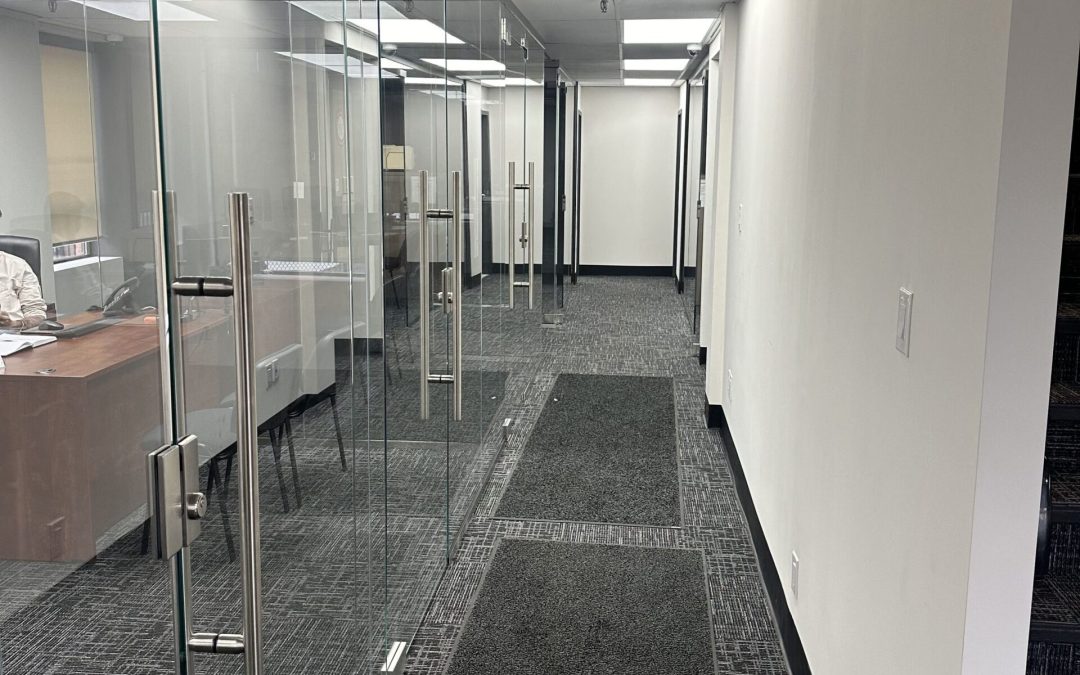
Office glass partitions have become a standard feature in modern workspaces, offering light and visual openness. However, they are mechanical systems as much as they are architectural elements. For facility managers, consistent maintenance prevents minor issues from becoming costly disruptions. This guide outlines specific routines for the key components of office glass partitions, focusing on longevity and performance.
Surface and Film Maintenance
The glass itself is durable, but the surfaces and any applied films require specific care. Standard cleaning routines often miss the nuances of commercial glass. Use a microfiber cloth and a mild, ammonia-free cleaner. Avoid abrasive pads or paper towels, which can leave micro-scratches that become visible under overhead lighting. If your partitions include privacy film or tinted glass, check the manufacturer’s guidelines for specific cleaning agents. Inconsistent cleaning can lead to streaking that is difficult to remove once dried. For high-traffic areas, consider scheduling a professional deep clean twice a year to maintain clarity and remove built-up residue.
Tracks, Pivots, and Hardware
The mechanical components of glass doors and sliding partitions are where most failures occur. Dirt and debris accumulate in floor tracks and overhead channels, causing friction. Inspect these areas monthly. Use a vacuum with a narrow nozzle to remove dust and hair from tracks. For pivots and hinges, apply a silicone-based lubricant sparingly. Too much lubricant can attract more dirt. Check the self-closing mechanisms on office glass doors to ensure they close fully and gently. A door that slams or sticks indicates a need for adjustment or part replacement. Do not ignore squeaking or resistance; these are early signs of wear that can compromise the door’s integrity.
Seals, Gaskets, and Reporting Issues
Seals and gaskets around glass panels and doors provide acoustic and thermal insulation. Over time, these rubber components can dry out, crack, or deform. Inspect them quarterly. If you notice gaps or visible wear, replace them promptly to maintain the intended performance of the partition. Keep a simple log of inspections and maintenance activities. This record helps identify patterns of wear and justifies budget requests for replacements. When reporting hardware issues to your maintenance team, include specific details about the component, the location, and the nature of the problem. Clear communication ensures the right parts are ordered and the correct technician is dispatched.
FAQ
How often should I lubricate glass door tracks?
It depends on traffic volume, but a general rule is every six to twelve months. High-traffic areas in busy Ontario offices may require more frequent attention. Always follow the manufacturer’s recommendations for the specific hardware installed.
Can I clean the glass with standard household products?
While many household cleaners work, ammonia-based products can damage certain films and coatings. It is safer to use a dedicated glass cleaner or a mild soap solution. Test any new product on a small, inconspicuous area first.
What should I do if a glass panel is cracked?
Do not attempt to repair it yourself. Isolate the area to prevent further damage and contact a qualified professional for assessment and replacement. Safety is the priority in any glass breakage scenario.
Planning Your Next Project
Proper care extends the life of your existing partitions, but new installations require careful planning. Whether you are updating a suite in the GTA or renovating a larger commercial space, working with a team that understands the specific needs of your environment is key. For a tailored assessment of your current setup or to discuss a new installation, request an estimate from Bonafide Glass. We can help you choose materials and configurations that fit your operational requirements.