

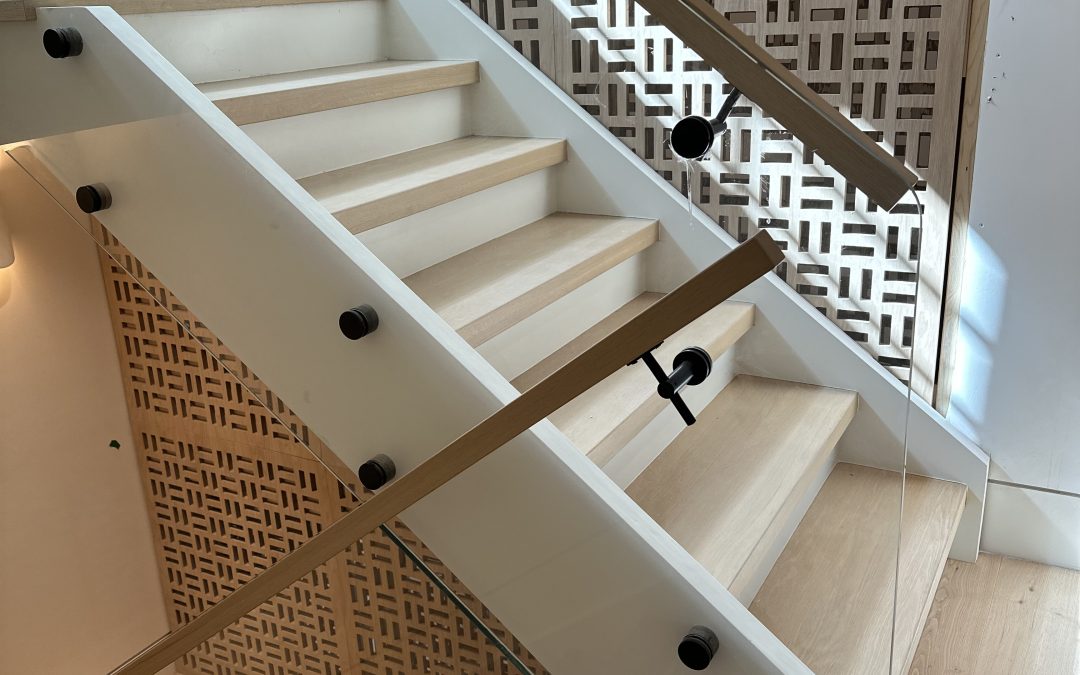
When selecting glass railings for a residential pool, the visual appeal is often the primary driver. However, the long-term success of the installation depends heavily on practical planning. In the Greater Toronto Area, where pool seasons are distinct and weather patterns can be variable, how you plan visibility, gate coordination, and maintenance access matters as much as the glass itself.
Optimizing Sightlines and Safety Perceptions
One of the main advantages of glass is the unobstructed view. However, homeowners often underestimate how the angle of the glass affects visibility from different vantage points. A railing that looks clear from the deck may appear opaque or reflective when viewed from the water or from a neighboring property. This is particularly relevant in denser Ontario neighbourhoods where privacy and sightlines to the street are concerns.
Consider the following when planning your layout:
- Reflections: Low-iron glass reduces the green tint, but all glass reflects light. Position panels so that the sun does not create glaring reflections that obscure the pool area during peak usage hours.
- Visual Continuity: Decide whether you want continuous glass panels or if you will incorporate posts. Postless systems offer a cleaner look but require precise structural support. Framed systems may be easier to maintain in high-wind areas but introduce visual interruptions.
- Waterline Proximity: Ensure the bottom of the glass is positioned high enough to avoid direct water splashes, which can accelerate the buildup of mineral deposits and soap scum.
Gate Mechanics and Access Coordination
The gate is the most mechanically complex part of a glass railing system. It is the only moving component, making it the most likely point of failure or maintenance need. When discussing your design with an installer, focus on the hardware rather than just the aesthetics.
Ask specific questions about the gate mechanism:
- Hinge Type: Are the hinges self-closing? For pool safety, self-closing gates are often preferred to ensure the barrier is always secured. Confirm that the closing force is sufficient for the weight of the glass panel.
- Locking Mechanism: A simple latch is convenient, but a keyed lock adds a layer of security. Ensure the lock is accessible and not subject to corrosion from pool chemicals.
- Swing Direction: The gate should swing in a direction that does not interfere with poolside furniture, grills, or landscaping. In narrow spaces, a sliding gate might be a better option, though these require more precise track installation.
Planning for Maintenance and Cleaning Access
Poolside glass is exposed to a unique combination of elements: chlorinated water, sunscreen, salt, and hard water minerals. Without proper planning, cleaning can become a chore. Most homeowners in the region will find that the frequency of cleaning depends on the local water quality and how often the pool is used.
To make maintenance easier, consider these design choices:
- Panel Size: Larger panels are cleaner to look at but harder to clean. If you have high mineral content in your water, smaller panels may be easier to handle with a squeegee or microfiber cloth.
- Access Points: Ensure that the top rail does not obstruct access to the pool ladder or diving board. You should be able to reach the glass from both sides without needing to climb over the railing.
- Material Compatibility: Avoid using abrasive cleaners on the glass. Plan to use a dedicated glass cleaner that is safe for the specific type of glass and hardware selected. Always confirm project-specific requirements with qualified professionals regarding local water treatment standards.
Frequently Asked Questions
Q: Does glass railing require more maintenance than wood or metal?
A: Generally, yes, because glass shows water spots and mineral deposits more visibly. However, it does not require staining, sealing, or rust prevention. The maintenance is primarily cleaning, which is straightforward if done regularly.
Q: Can I install glass railings on an existing concrete deck?
A: In many cases, yes, but it depends on the structural integrity of the deck and the local building regulations. An installer will need to assess the substrate to ensure it can support the weight and wind loads of the glass system.
Planning your poolside glass railing is a balance between aesthetics and practicality. By focusing on sightlines, gate mechanics, and cleaning access, you can ensure that your investment remains functional and beautiful for years. For a detailed discussion on your specific project, request an estimate with Bonafide Glass to explore custom solutions tailored to your space.